Newsletter
Join the Community
Subscribe to our newsletter for the latest news and updates
When I launched NewTool.site, the Domain Rating (DR) was literally zero—no traffic, no backlinks. Everything felt ready except the one thing that actually moves the needle 😅
I checked a bunch of well-known directories and asked a few indie builders what the fastest way to grow DR was. The answer was consistent: Build backlinks.
But that immediately raises a better question:
If everyone is building backlinks… how do you grow DR faster and more efficiently?
And no—this isn’t about buying links. If buying links was the answer, there’d be nothing to write about.
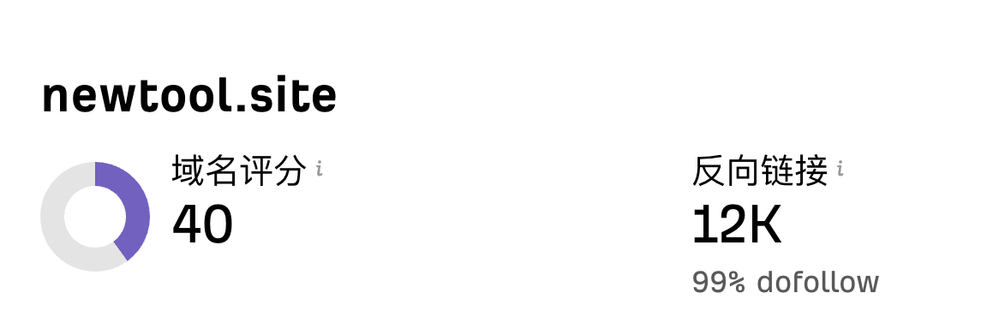
I now got 40 DR in 12 days without buying any backlinks. Here is the proof.
From what I’ve seen across fast-growing indie sites, the pattern is simple:
There’s also a common “starter pack” of high-leverage directories people use—like Product Hunt, Fazier, Dang, Twelve.Tools, Turbo0, Findly.Tools, Uneed, Wired Business, Tiny Launch, and more.
Some of these can be surprisingly effective—especially when they:
Once you look closer, you’ll notice two problems:

Sure, “good things take time”… but by the time your listing finally appears, you might not even care anymore.
So I started looking for a faster, cheaper path.
After digging through backlink leaderboards and reverse-checking where fast-growing sites were getting links, I found an underrated category:
Business directories / online yellow pages.
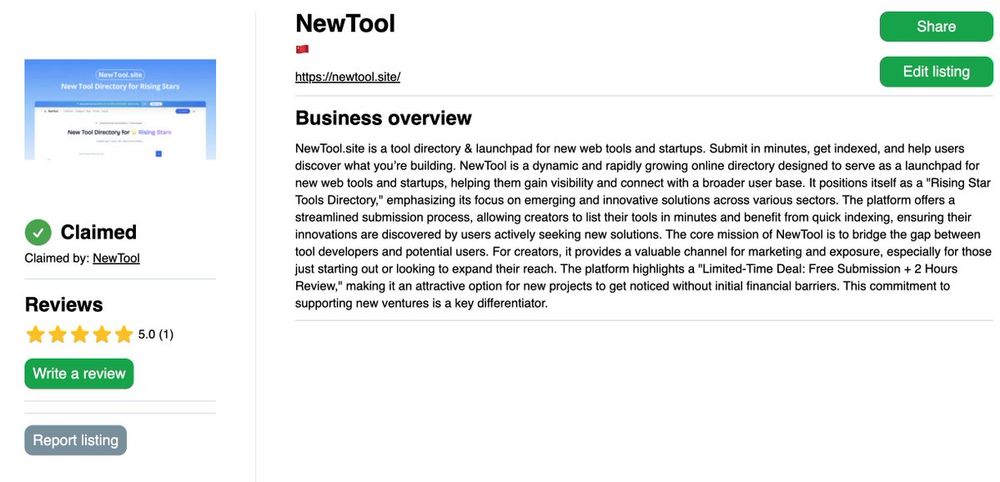
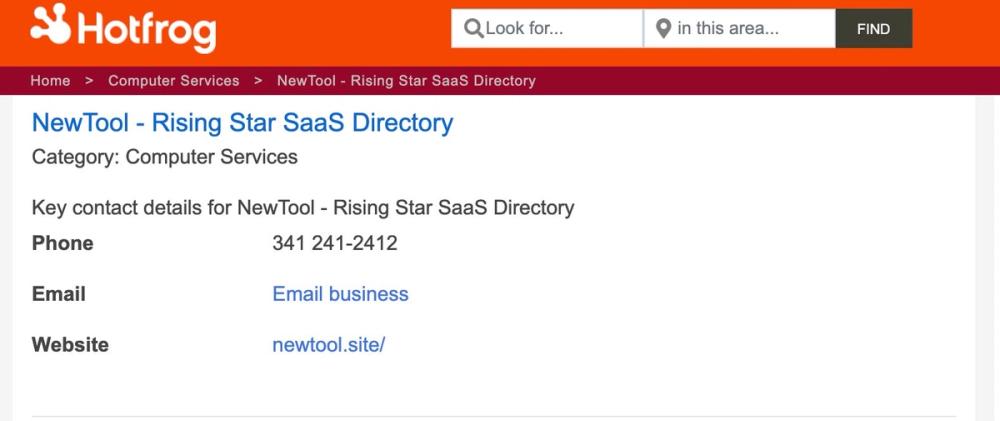
These sites were originally meant to help people find companies and services. But here’s the trick:
You can list your website as a “business” and get a legitimate backlink—often dofollow 👀
Compared to niche tool directories:
That usually means stronger “link juice” per listing.
There’s also a second underrated bucket:
Discovery engines that help users find similar sites.
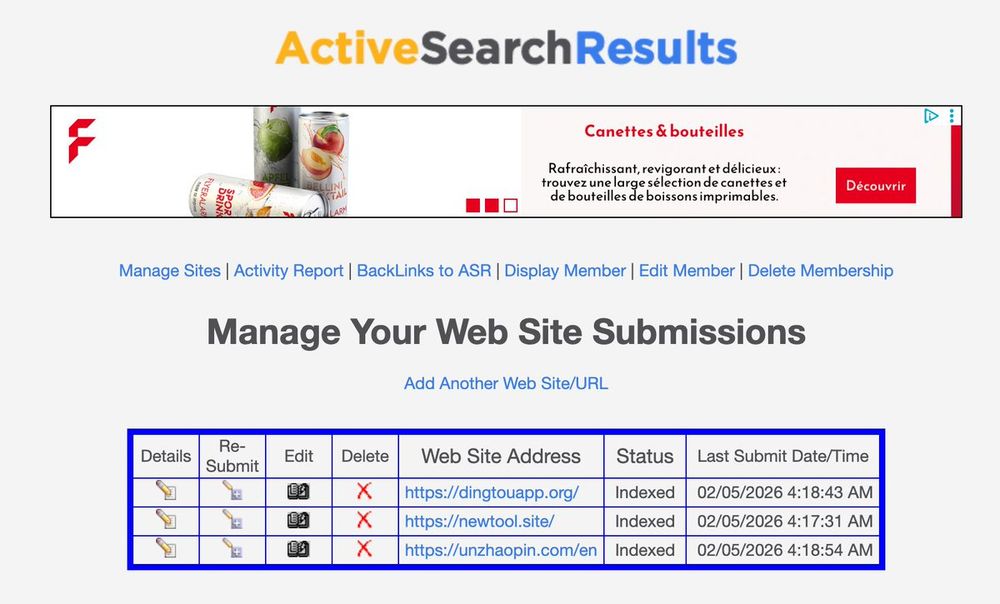
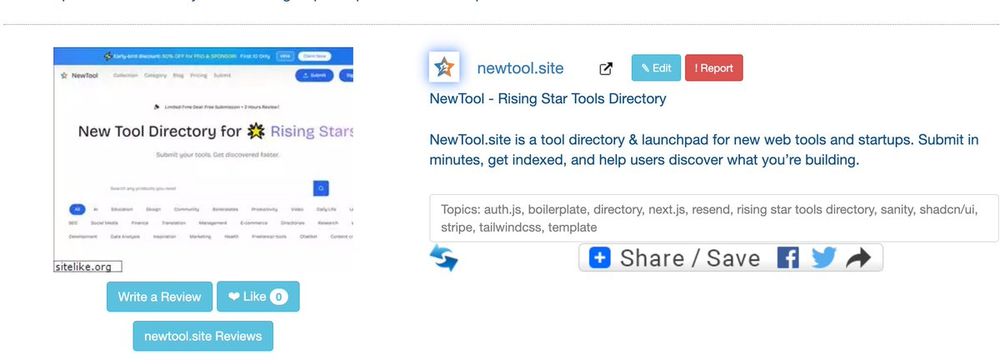
Their DR is often a bit lower than big directories, but the workflow is usually:
Honestly… what more do you want when you’re trying to ramp DR quickly?
Here’s the framework that finally made this feel systematic:
Think: strong directories that approve fast and tend to pass DR well.
Best for: early momentum + sometimes real exposure.
Business directories, online yellow pages, “similar sites” engines.
Best for: fast volume with decent quality, often higher DR because domains are old.
Directories that take weeks/months to publish.
Best for: long-term compounding—valuable, just slow.
If speed is the priority, this is the order I’d use:
If speed isn’t your main goal, you can flip it:
If people are interested, I can put together a curated list for all three tiers—organized in the exact order you’d submit, so you can follow it like a checklist.
Hope this helps—and may your DR go to the moon 🚀